
Grinding media product range
Choose the Right Grinding Media for Your Milling Process
Compare density, wear behaviour, contamination control, bead size and total operating cost before selecting ceramic media.
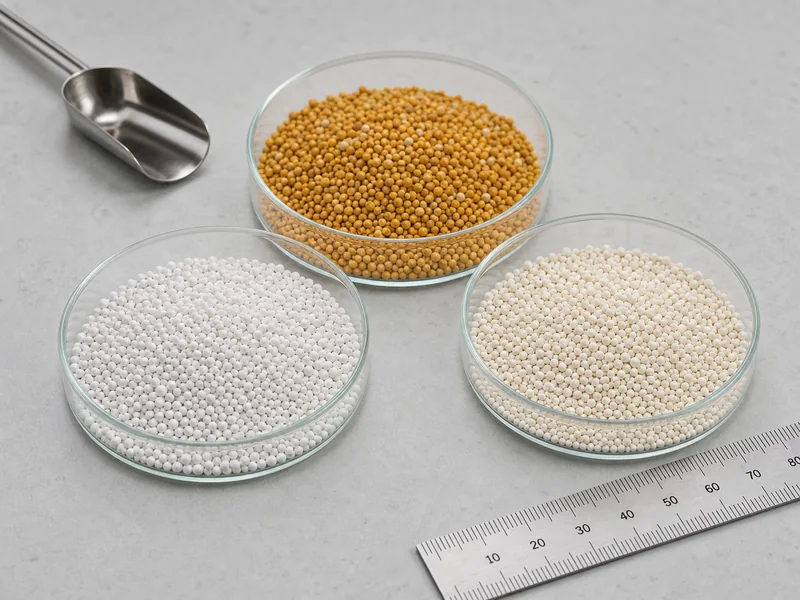
Our range covers high-purity YSZ, high-density Ce-TZP, economical zirconium silicate and zirconia-alumina composite beads. Each material solves a different production problem; the right choice starts with the process, not a single headline specification.
4 media families
Different performance and cost positions
0.1–20 mm
Combined nominal size coverage
Samples available
Validate before production conversion
Start with the process
Four Questions That Narrow the Choice
Media chemistry and density matter, but only in the context of the mill, formulation and acceptable product risk.
Contamination & Purity
Which elements, colour changes or media wear can the finished product tolerate?
Viscosity & Hardness
Does the bead need enough mass and toughness to penetrate a viscous or abrasive slurry?
Size & Separator
Can the screen or gap safely retain the bead size required for the target fineness?
Total Milling Cost
Compare throughput, media loss, cycle time and rejected product—not price per kilogram alone.
Our grinding media range
Different Media for Different Operating Priorities
Use the summaries for initial screening, then review the product page and confirm the grade with a sample trial.
Purity & fine grinding
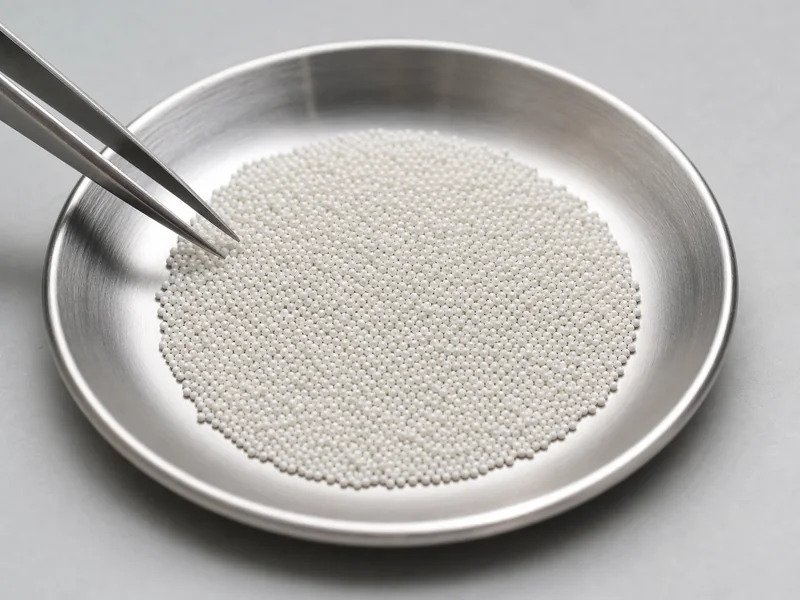
Yttria Stabilized Zirconia Beads
High-density YSZ media for demanding wet milling where low wear, contamination control and access to small bead sizes are important.
- Specific gravity ≥ 6.0 g/cm³
- Nominal sizes 0.1–20 mm
- Typical colour White
- Best starting point Strict purity
High viscosity & toughness
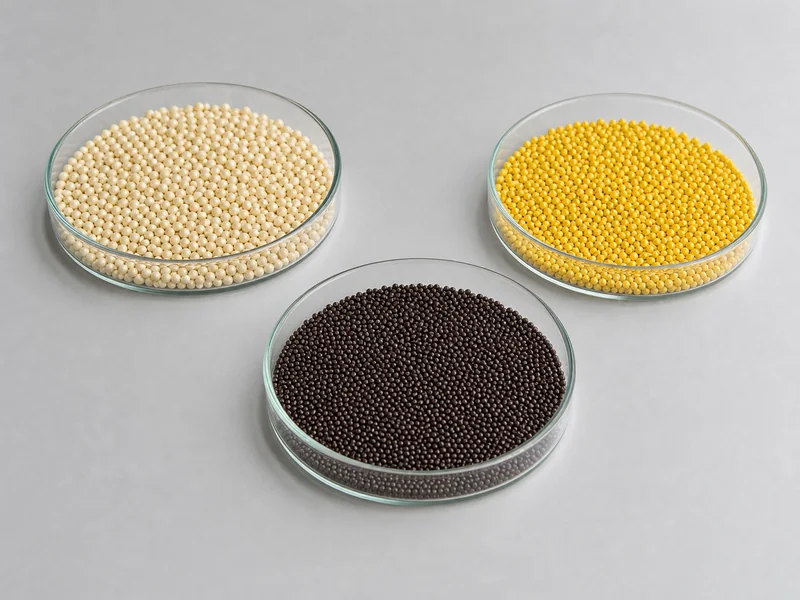
Ceria Stabilized Zirconia Beads
Dense Ce-TZP media for hard feed, viscous slurry and long production runs where strong impact and fragmentation resistance matter.
- Specific gravity Up to 6.2 g/cm³
- Nominal sizes 0.3–3.2 mm
- Typical colour Cream to dark brown
- Best starting point Viscous, hard feed
Economical general duty
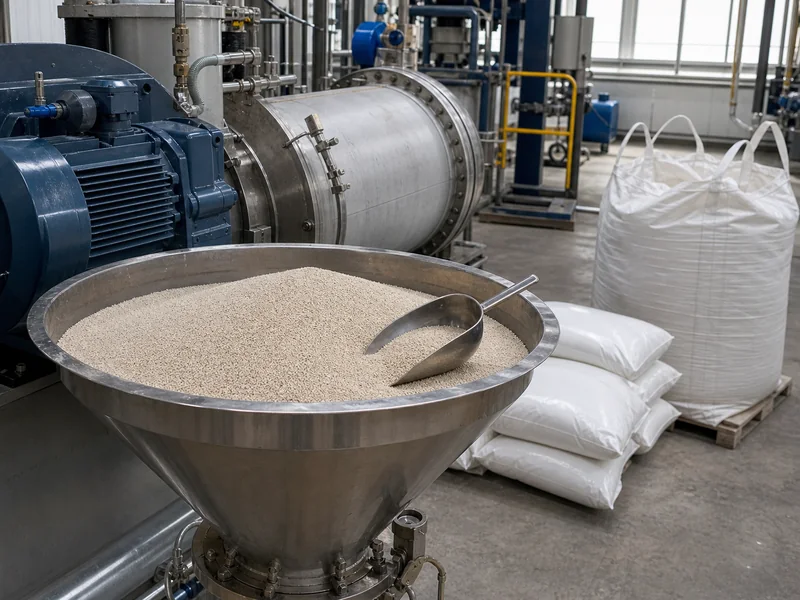
Zirconium Silicate Beads
Mid-density “65 zirconia” media for routine coatings, inks, minerals and agrochemical milling where practical cost is central.
- Specific gravity ≈ 4.0 g/cm³
- Nominal sizes 0.3–3.0 mm
- Typical colour Off-white / ivory
- Best starting point General industrial use
Zirconia-Alumina Composite Beads
Also compare composite ceramic media when balancing wear resistance and cost for mineral, ceramic, coating, pigment and glaze processing. Confirm the supplied grade, bead size and acceptable aluminum pickup in your process.
Side-by-side reference
Product Comparison
This table identifies the normal starting position of each media family. Final performance must be tested with the real formulation and equipment.
| Selection factor | YSZ | Ce-TZP | Zirconium Silicate | Zirconia-Alumina Composite |
|---|---|---|---|---|
| Specific gravity | ≥ 6.0 g/cm³ | Up to 6.2 g/cm³ | ≈ 4.0 g/cm³ | Approx. 3.0–3.8 g/cm³; confirm the supplied grade |
| Standard size position | 0.1–20 mm, including the smallest media and large grinding balls | 0.3–3.2 mm for micro, standard and higher-impact wet milling | 0.3–3.0 mm standard; special coarse sizes for compatible equipment | Approx. 0.4–10 mm; confirm grade and separator compatibility |
| Wear / purity position | Preferred starting point for strict wear and contamination control | High-density, toughness-focused option; confirm cerium pickup limits | Suitable where moderate media wear and silicate-related pickup are acceptable | Confirm aluminum pickup limits and grade-specific wear data |
| Viscous or hard feed | Strong high-energy option when purity also matters | Often evaluated first for high viscosity, hard feed and long runs | Best for low- to medium-viscosity general duties; larger sizes may help coarse feed | Evaluate against the actual slurry, mill loading and wear limits |
| Appearance | White | Cream, yellow, brown or black-brown depending on production conditions | Off-white to pale ivory | Confirm against the supplied sample and grade |
| Relative media investment | Premium | Premium-to-high | Economical | Compare total operating cost in a controlled trial |
| Typical starting applications | Battery, electronics, pharmaceutical, biotechnology and nano-materials | Viscous coatings, inks, colour pastes, hard minerals and ceramic slurry | General coatings, printing inks, non-metallic minerals and pesticide SC | Minerals, ceramic raw materials, coatings, pigments and glazes |
“Relative media investment” describes the normal product position, not the final cost per tonne. Throughput, media consumption, cleaning, product yield and downtime can change the economic result.
Quick selection guide
Use the Most Important Constraint First
A short process description is usually enough to identify one or two sensible trial candidates.
01
Strict contamination control or very fine media required?
Start with YSZ, especially when bead sizes below 0.3 mm, white appearance or strict chemistry limits are important.
02
High viscosity, hard feed or long high-impact production?
Start with Ce-TZP and compare wear, throughput and acceptable cerium pickup against YSZ.
03
Routine industrial milling with a strong cost target?
Start with zirconium silicate when moderate wear and purity requirements are acceptable.
04
More than one condition is critical?
Run a controlled comparison with equal mill settings and measure fineness, time, media loss and relevant elemental pickup.
Separator first: before changing bead size, confirm the screen opening or separation gap. A chemically suitable media can still create operating problems when the separator cannot retain it safely.
Application starting matrix
Where Each Media Is Commonly Evaluated
The matrix is a screening tool. “Trial” means the choice depends strongly on formulation, contamination limits and milling conditions.
| Application | YSZ | Ce-TZP | Zirconium Silicate | Zirconia-Alumina Composite |
|---|---|---|---|---|
| Battery materials | Recommended | Trial | Not first choice | Grade-specific trial |
| Electronic ceramics / MLCC | Recommended | Trial | Not first choice | Grade-specific trial |
| Industrial coatings | Trial | Recommended | Recommended | Grade-specific trial |
| Inks & colour pastes | Trial | Recommended | General grades | Grade-specific trial |
| Non-metallic minerals | Specialised | Hard / viscous feed | General duty | Grade-specific trial |
| Agrochemical SC | Fine / strict grades | Trial | General duty | Grade-specific trial |
| Pharma & biotechnology | Recommended | Qualification trial | Not first choice | Grade-specific trial |
Product-contact regulations, formulation chemistry and customer qualification requirements take priority over this general matrix.
Verify the economics
Compare Cost per Tonne of Acceptable Product
Media price alone cannot show which product is economical. A controlled trial should include cycle time, particle-size distribution, media loss, contamination and finished-product yield.
The same bead may perform differently when speed, filling ratio, cooling or separator configuration changes.
A practical comparison method
- Hold conditions constant: formulation, volume, speed, filling ratio and temperature.
- Record the result: D50/D90, viscosity, dispersion quality and processing time.
- Measure media behaviour: weight loss, breakage, screen deposits and relevant elemental pickup.
- Calculate the outcome: media and operating cost per tonne of acceptable finished product.
Sample & technical support
Send the Process Information You Already Have
We can begin with incomplete information. Share the mill, material, current media and target result; the remaining questions can be narrowed during the review.
Useful details
- Material and formulation
- Viscosity / solids content
- Mill type and chamber volume
- Separator type and clearance
- Current bead material and size
- Feed and target particle size
- Contamination limit
- Trial or annual quantity